
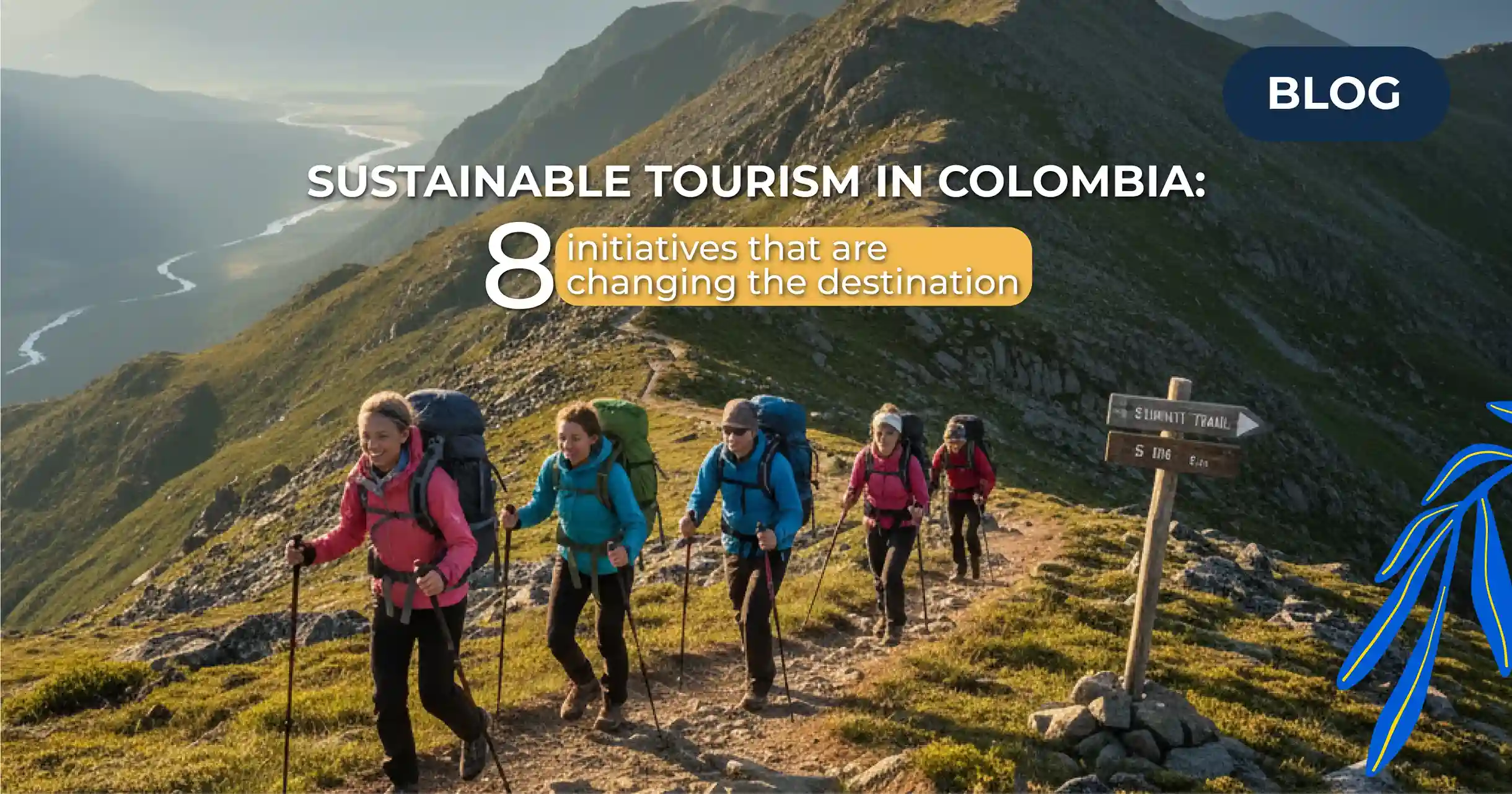
Sustainable tourism in Colombia is more than just a trend—it’s a movement that’s reshaping the way travelers experience the country. With its vast natural landscapes, rich biodiversity, and vibrant cultures, Colombia is becoming a global leader in responsible tourism and ecotourism. These initiatives not only protect Colombia’s incredible environment but also support local communities and provide travelers with unforgettable, authentic experiences.
Here are 8 sustainable initiatives in Colombia that are making a significant impact on the destination:
1. Parques Nacionales Naturales de Colombia (National Natural Parks of Colombia)
Colombia’s national parks are at the heart of its ecotourism movement. Parques Nacionales Naturales de Colombia manage more than 50 protected areas that conserve the country’s diverse ecosystems, from rainforests to deserts. These parks play a vital role in preserving Colombia’s unique biodiversity, such as the Andean condor and the Amazon river dolphin, while offering visitors the chance to explore nature responsibly.
2. Amazon Conservation Association – The Amazon Region
In the Amazon region, the Amazon Conservation Association works to protect the world’s largest tropical rainforest. Through ecotourism initiatives, the association helps visitors learn about the importance of conservation while promoting sustainable practices among local communities. Travelers can visit Leticia and experience the beauty of the rainforest through guided tours that emphasize environmental education and sustainability.
3. Community-Based Tourism in the Coffee Triangle
In Colombia’s Coffee Triangle, local communities are leading the way in sustainable tourism. Farmers and local residents have joined forces to offer community-based tourism experiences that allow visitors to learn about coffee cultivation, traditional farming practices, and the importance of protecting the environment. This initiative ensures that tourism benefits local families while helping preserve the region’s natural beauty.
4. The Coffee Cultural Landscape (Eje Cafetero)
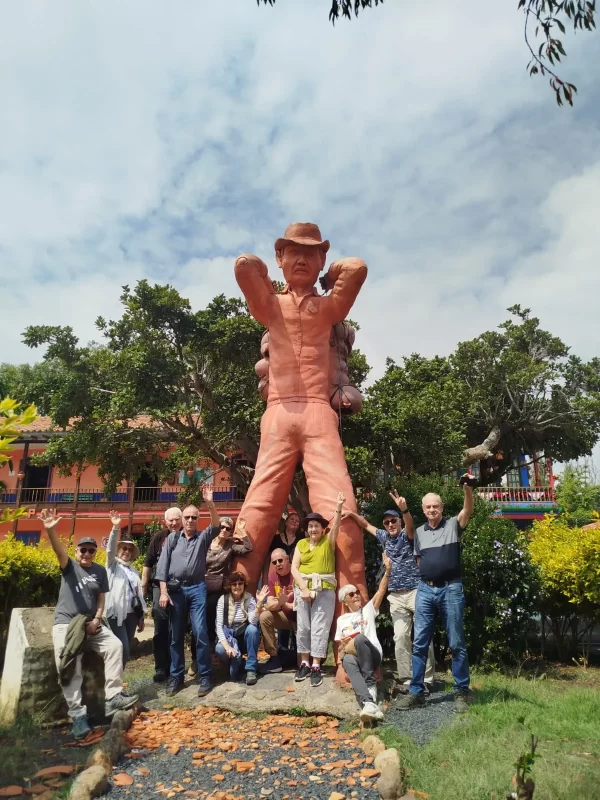
The Coffee Cultural Landscape, a UNESCO World Heritage Site, is a prime example of how sustainable tourism can thrive in Colombia. The initiative promotes the sustainable production of coffee through responsible practices that protect the environment and ensure fair trade for local farmers. Visitors can explore coffee farms, enjoy sustainable coffee tastings, and immerse themselves in the local culture, all while supporting eco-friendly practices.
5. Tayrona National Park’s Ecotourism and Community Projects
Tayrona National Park, one of Colombia’s most popular destinations, has embraced sustainable tourism through various ecotourism and community projects. Local indigenous communities have collaborated with authorities to develop eco-friendly accommodations, such as eco-lodges built using sustainable materials, and sustainable transportation options within the park. These initiatives provide visitors with an authentic, eco-conscious experience while supporting indigenous cultures.
6. Cultural and Ecotourism Projects in San Basilio de Palenque
San Basilio de Palenque, a UNESCO-listed village known for being the first free town of African descent in the Americas, has become a leader in sustainable tourism. The community offers cultural and ecotourism experiences that educate visitors about the history, music, and traditions of the Afro-Colombian people while promoting responsible tourism practices. Through these efforts, they not only preserve their heritage but also foster economic development for the community.

7. Whale Watching in the Pacific Coast
The whale watching experience along Colombia’s Pacific coast is one of the most remarkable examples of sustainable tourism in the country. From July to October, humpback whales migrate to the warm waters of the Pacific to breed and give birth. Local fishermen and tour operators have worked together to create a responsible whale-watching industry that allows visitors to witness this awe-inspiring natural phenomenon while minimizing the environmental impact.
8. Sustainable Tourism Certification Program
The Sustainable Tourism Certification Program in Colombia is a government initiative designed to encourage and reward businesses in the tourism industry that adopt sustainable practices. This program certifies accommodations, tour operators, and transport services that meet rigorous environmental and social standards. By promoting these certified businesses, Colombia is fostering a more sustainable and responsible tourism industry.
Recommendations for sustainable travel in Colombia
- Choose certified sustainable accommodations and operators
- Respect protected areas and wildlife regulations
- Support community-led and cultural tourism initiatives
- Reduce your environmental footprint while traveling
Frequently Asked Questions (FAQ)
Is Colombia a leader in sustainable tourism?
Yes, it is gaining strong global recognition.
Are these initiatives open to travelers?
Yes, most offer visitor-friendly experiences.
Can sustainable tourism support local communities?
Yes, it generates income and preserves traditions.
Is ecotourism widely available in Colombia?
Yes, especially in parks and rural regions.
How can travelers travel more responsibly in Colombia?
By choosing certified and community-based experiences.
EXCELLENTTrustindex verifies that the original source of the review is Google. Nos hicieron un viaje muy fácil y cálido. Hermoso Colombia!Posted onTrustindex verifies that the original source of the review is Google. Servicio muy bueno, y Erika una profesional excelente! Recomendado 100%Posted onTrustindex verifies that the original source of the review is Google. Hemos realizado un viaje a Colombia este mes de febrero con esta agencia y ha sido maravilloso. Todo organizado al detalle y siempre pendientes por si necesitábamos cualquier cosa. Sin duda, un gran viaje gestionado por una estupenda agencia. Muchas graciasPosted onTrustindex verifies that the original source of the review is Google. Hemos realizado un viaje de dos semanas por Colombia con esta agencia y ha sido un éxito maravilloso. Hemos recorrido Bogotá, Eje cafetero, Medellín, Parque Tayrona y Cartagena. El programa del viaje se ha desarrollado perfectamente y todo ha salido muy bien. Han sido muy profesionales en todo momento y a la vez muy cordiales y agradables.Posted onTrustindex verifies that the original source of the review is Google. Perfecta organización, con buenas sugerencias, de nuestro viaje en pareja por Colombia. De Medellín a Cartagena pasando por el Eje Cafetero, Bogotá, Villa de Leyva, Barichara, Santa Marta desde Bucaramanga (tras bajar por el espectacular cañón de Chicamocha), Tayrona y Cartagena. Buenos guías, conductores y alojamientos. ¡Encantados!. Una agencia muy recomendable y reconocida en el país. Gracias a Irene y todo el equipo.Posted onTrustindex verifies that the original source of the review is Google. Un voyage très bien organiser. Heureusement nous étions accompagnés par une Marianne toujours souriante et aux petits soins. Lui demander l’impossible et elle répond toujours Ok. A bientôt pour un autre séjour 😃 ClaudePosted onTrustindex verifies that the original source of the review is Google. Gli amici ci definiscono “viaggiatori non turisti”. Viaggiare è sicuramente una grande occasione per partire verso nuovo posti e culture, ci apre cuore e mente e ci da l'opportunità di conoscere nuove persone. La Colombia ci ha ammaliato, viaggio ben organizzato grazie a David (Colombia Memoris) che fin dal primo contatto avvenuto per telefono, ha costruito un percorso su misura per noi, facendoci assaporare ancor prima di partire, ogni luogo che avremmo visitato. Da Bogotà a Mucura (splendida e tranquilla isola nel mar dei Caraibi) passando per Villa de Leiva, Valle del Cocora/ Salento con la zona cafetera, Medellín, Guatape’, PNN Tayrona, Santa Marta, Cartagena. Le strutture che ci hanno accolto sono state tutte dí ottima qualità, ben posizionate, ma soprattutto con personale disponibile ed accogliente. Le guide che abbiamo avuto, Simon, Camila, Eliana, Ester, etc… tutte disponibili, accoglienti, preparate, meriterebbero ognuna una recensione a parte ma saremmo troppo prolissi. Un grazie a tutti ì driver che ci hanno condotto in sicurezza per le strade della Colombia. E per ultimo ancora un grazie a David che come un angelo ci ha accompagnato risovelvendo rapidamente (utilizzando il contatto WA H24) i piccoli disguidi che possono capitare in un lungo tour come il nostro. 💪Posted onTrustindex verifies that the original source of the review is Google. Inmejorable equipo!! Profesionalidad y dedicación.Excelente atención en cada paso de nuestro viaje a Colombia. Crean un grupo de Whatsapp, atendiendo al segundo cualquier duda. Nuestro viaje de 15 dias ha sido un sueño, gracias a todo el equipo de Colombia memories. Hemos conocido muchos lugares de Colombia y la organización, traslados, tours y Hoteles ha sido impecable. La mejor agencia de Colombia y como destino maravilloso.Posted onTrustindex verifies that the original source of the review is Google. David ha organizzato per un gruppo di 100 persone le attività di un' intera settimana tra Bogotà e Cartagena, con grande professionalità, simpatia e precisione . E' stato tutto perfetto e per un gruppo cosi' grande non è semplice. Grazie di tutto Ci vediamo prestoPosted onTrustindex verifies that the original source of the review is Google. ottima esperienza, guide esperte e perfettamente affidabili. top